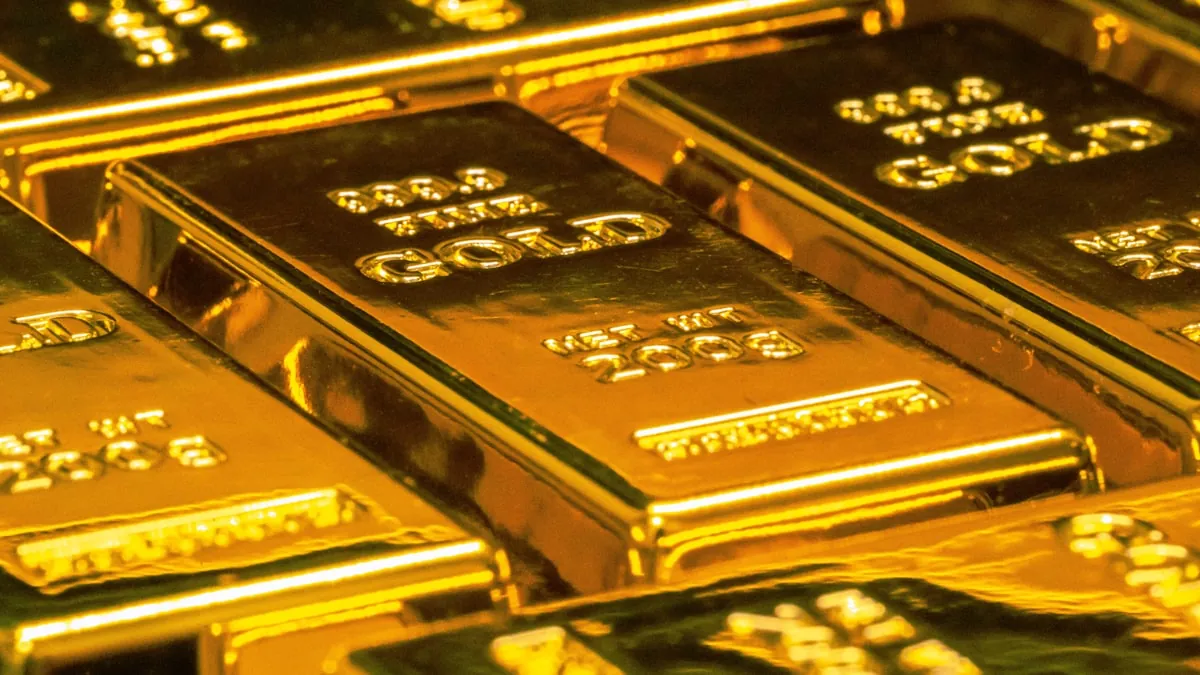
O que é ouro tokenizado e por que ele está transformando o acesso ao ouro
Ouro sempre foi sinônimo de reserva de valor. Civilizações inteiras construíram sistemas monetários sobre ele. Governos ainda mantêm toneladas em cofres como âncora de confiança. O problema nunca foi o ouro em si. Foi o acesso.
Comprar ouro físico exige lidar com armazenamento, seguro, verificação de pureza e logística de transporte. Comprar ouro via mercado financeiro exige intermediários, taxas recorrentes e a aceitação de que você não possui ouro de verdade, apenas uma representação contábil dele.
Ouro tokenizado resolve isso. É a representação digital de ouro físico real, registrada na blockchain, divisível em frações e compatível com autocustódia. Cada token corresponde a uma quantidade específica de ouro armazenado em cofres auditados. Você não compra uma promessa. Compra ouro com lastro verificável.
Ouro tokenizado não reinventa o ouro. Remove as barreiras que separavam ele de quem deveria poder acessá-lo.
Como funciona a tokenização de ouro na blockchain
O processo de tokenização conecta o mundo físico ao digital por meio de contratos inteligentes e custódia regulamentada.
Uma empresa emissora adquire ouro físico com pureza de 99,99% e o armazena em cofres de alta segurança, geralmente em Londres, Zurique ou Nova York. Para cada onça troy (aproximadamente 31,1 gramas) de ouro depositada, um token é emitido na blockchain.
Esse token é um ativo digital que representa a propriedade sobre aquele ouro específico. Ele pode ser transferido, fracionado, negociado ou mantido em carteira digital, tudo sem movimentar o ouro físico dos cofres. A blockchain funciona como o registro de propriedade, imutável e auditável.
Auditorias periódicas confirmam que a quantidade de tokens em circulação corresponde às reservas físicas. Isso não depende de confiança cega no emissor. Depende de verificação.
O resultado é um ativo que combina a solidez milenar do ouro com a eficiência e acessibilidade da infraestrutura blockchain.
PAXG vs XAUT: os principais tokens de ouro e suas diferenças
Dois tokens dominam o mercado de ouro tokenizado: PAXG (Pax Gold) e XAUT (Tether Gold). Ambos representam ouro físico, mas diferem em estrutura e jurisdição.
PAXG (Pax Gold) é emitido pela Paxos Trust Company, regulamentada pelo Departamento de Serviços Financeiros de Nova York (NYDFS). Cada token equivale a uma onça troy de ouro armazenado em cofres da Brink's em Londres. A Paxos publica relatórios mensais de auditoria. O token opera na rede Ethereum como ERC-20.
XAUT (Tether Gold) é emitido pela TG Commodities Limited, associada ao grupo Tether. Cada token também equivale a uma onça troy de ouro, armazenado em cofres na Suíça. O XAUT opera tanto na Ethereum quanto na Tron. A Tether publica atestações trimestrais sobre suas reservas.
As diferenças práticas estão na regulação e na transparência. A Paxos opera sob supervisão direta do NYDFS, o que impõe padrões rígidos de reserva e conformidade. A Tether Gold tem estrutura regulatória diferente, baseada nas Ilhas Virgens Britânicas.
Para o investidor, a escolha depende do peso que você dá à jurisdição regulatória versus liquidez e ecossistema. Ambos cumprem a função central: dar a você exposição a ouro real, na blockchain, com a possibilidade de autocustódia.
Verificação on-chain: como confirmar o lastro do seu ouro tokenizado
Tanto PAXG quanto XAUT permitem que você verifique a correspondência entre seu token e o ouro físico. No caso do PAXG, a Paxos oferece uma ferramenta de lookup onde você insere o endereço do seu token e consulta o número de série da barra alocada. No XAUT, a Tether Gold disponibiliza verificação semelhante. Isso é transparência que o sistema financeiro tradicional não oferece.
Ouro tokenizado vs ouro físico: vantagens e limitações de cada formato
A comparação entre ouro tokenizado e ouro físico não é sobre qual é superior. É sobre qual se encaixa na sua estratégia.
Divisibilidade. Ouro físico exige compra de barras ou moedas com peso mínimo. Ouro tokenizado permite comprar frações. Você pode adquirir o equivalente a 1 grama de ouro, ou menos, sem precisar de uma barra inteira.
Armazenamento. Ouro físico exige cofre, seguro e, dependendo do volume, logística especializada. Ouro tokenizado é armazenado na blockchain. O custo de manter seus tokens em uma carteira digital é zero.
Verificação de autenticidade. Ouro físico pode ser adulterado. Verificar pureza exige ensaio profissional. Ouro tokenizado é verificável on-chain, com lastro auditado por terceiros independentes.
Liquidez. Vender ouro físico pode levar dias e envolve negociação de preço com o comprador. Ouro tokenizado é negociável 24 horas por dia, 7 dias por semana, em exchanges descentralizadas ou centralizadas, com liquidação quase instantânea.
Risco de contraparte. Ouro físico em sua posse não tem risco de contraparte. Ouro tokenizado depende do emissor manter as reservas. Esse risco é mitigado por auditorias e regulação, mas existe.
Para patrimônio de longo prazo, ouro físico em posse pessoal continua sendo a forma mais pura de reserva de valor. Para acessibilidade, liquidez e integração com estratégias digitais, ouro tokenizado é a evolução lógica.
Como ouro tokenizado se compara a ETFs de ouro como GLD e IAU
ETFs de ouro como GLD (SPDR Gold Trust) e IAU (iShares Gold Trust) são a forma tradicional de se expor ao preço do ouro sem possuir barras. Funcionam. Mas carregam uma arquitetura que limita o investidor.
Horário de negociação. ETFs operam dentro do horário da bolsa. Se o preço do ouro disparar às 3 da manhã de um domingo, você não pode agir. Ouro tokenizado opera 24/7, sem pausas.
Taxas de administração. GLD cobra 0,40% ao ano. IAU cobra 0,25%. Parecem pequenas, mas corroem o retorno ao longo de décadas. PAXG e XAUT não cobram taxa de administração recorrente. Há taxas de criação e resgate, mas manter o token não custa nada.
Custódia. Ao comprar um ETF, suas cotas ficam na corretora. Você não tem autocustódia. Se a corretora enfrentar problemas, suas cotas entram no perímetro de risco dela. Com ouro tokenizado, você pode manter os tokens na sua própria carteira, sob seu controle direto.
Fracionamento. Cotas de ETF têm preço unitário que pode ser uma barreira de entrada. PAXG e XAUT são divisíveis até 18 casas decimais. Você compra exatamente a quantidade que faz sentido para você.
Composabilidade. Tokens de ouro na blockchain podem ser usados como colateral em protocolos DeFi, emprestados, ou integrados a estratégias automatizadas. Cotas de ETF ficam paradas na sua conta da corretora.
ETFs democratizaram o acesso ao ouro no século XX. Tokenização está democratizando a propriedade de ouro no século XXI.
Vantagens do ouro on-chain: liquidez, transparência e soberania patrimonial
Colocar ouro na blockchain não é apenas uma mudança de formato. É uma mudança de paradigma sobre o que significa possuir ouro.
Liquidez global permanente. Ouro tokenizado não depende de pregão. Mercados descentralizados operam sem interrupção. Você pode converter ouro em stablecoins, em qualquer valor, a qualquer hora, de qualquer lugar com conexão à internet.
Transparência verificável. Cada transação é registrada na blockchain. Emissão de tokens, transferências, queimas. Tudo é público e auditável. Não existe o equivalente disso no mercado de ouro tradicional, onde a cadeia de custódia muitas vezes é opaca.
Autocustódia real. Manter ouro tokenizado em sua própria carteira significa que ninguém pode congelar, confiscar ou bloquear seu acesso. Nem o emissor do token, nem uma corretora, nem um governo. Você detém as chaves, você detém o ouro.
Transferência sem fronteiras. Enviar ouro físico entre países é uma operação complexa, cara e regulamentada. Enviar ouro tokenizado é uma transação na blockchain que leva minutos e custa centavos em taxa de rede.
Programabilidade. Ouro na blockchain pode interagir com contratos inteligentes. Isso abre possibilidades que ouro físico nunca terá: colateralização automática, pagamentos condicionais, integração com tesourarias corporativas descentralizadas.
Custódia de ouro digital: como manter seus tokens com segurança
A posse de ouro tokenizado traz uma responsabilidade que o investidor tradicional não enfrenta: a gestão das chaves privadas que controlam o acesso aos tokens.
Carteiras de autocustódia são o padrão para quem leva soberania patrimonial a sério. Carteiras de hardware (cold wallets) como Ledger e Trezor oferecem o nível mais alto de segurança para armazenamento de longo prazo. Seus tokens ficam offline, protegidos contra ataques remotos.
Carteiras MPC (Multi-Party Computation) oferecem uma alternativa que elimina a necessidade de gerenciar seed phrases. A chave privada é fragmentada entre múltiplas partes, e nenhum fragmento isolado é suficiente para acessar os ativos. Isso reduz o risco de perda total por extravio de uma frase de recuperação.
Custódia em exchange é a opção de menor soberania. Seus tokens ficam na carteira da plataforma. Você confia que a exchange vai operar corretamente e manter a solvência. A história recente mostra que essa confiança tem preço.
A escolha depende do perfil de cada investidor. Mas o ponto fundamental permanece: ouro tokenizado só é verdadeiramente seu se as chaves estiverem sob seu controle.
Por que autocustódia importa especialmente para ouro tokenizado
O ouro é, por natureza, um ativo de preservação patrimonial de longo prazo. Muitos investidores planejam manter exposição por anos ou décadas. Nesse horizonte de tempo, os riscos de custódia delegada se amplificam. Exchanges podem mudar de política, sofrer ataques ou encerrar operações. A autocustódia elimina esses riscos e alinha a forma de posse digital com a filosofia de longo prazo que o ouro representa.
Ouro tokenizado como proteção patrimonial para investidores brasileiros
O Brasil tem uma relação complexa com reserva de valor. A memória da hiperinflação está viva em gerações que viram o poder de compra evaporar da noite para o dia. O ouro sempre foi refúgio. Mas acessá-lo de forma prática nunca foi trivial.
Ouro tokenizado muda essa equação para o investidor brasileiro de três formas.
Exposição dolarizada. PAXG e XAUT são precificados em dólares americanos. Comprar ouro tokenizado é, simultaneamente, uma exposição ao ouro e ao dólar. Para quem busca proteção contra a desvalorização do real, é uma camada dupla de resguardo.
Acesso sem intermediários tradicionais. Não é preciso abrir conta em corretora internacional, preencher formulários de câmbio ou esperar liquidação em D+2. Com uma carteira digital e acesso à internet, você compra ouro tokenizado diretamente, em minutos.
Integração com o ecossistema DeFi. Ouro tokenizado pode ser usado como colateral para tomar empréstimos em stablecoins dolarizadas. Isso significa que você pode acessar liquidez sem vender seu ouro. Seu patrimônio permanece intacto enquanto você utiliza o valor dele.
Para o investidor brasileiro que entende a importância de diversificar fora do real e fora do sistema financeiro local, ouro tokenizado com autocustódia é uma das formas mais diretas de proteção patrimonial disponíveis em 2026.
Como investir em ouro tokenizado: passo a passo prático
Se você quer começar, o processo é mais direto do que o mercado tradicional faz parecer.
1. Escolha o token. PAXG e XAUT são os mais líquidos e auditados. Analise a jurisdição regulatória, a frequência de auditorias e a liquidez nos mercados em que pretende operar.
2. Configure sua carteira. Se prioriza autocustódia, escolha uma carteira compatível com tokens ERC-20 (para PAXG ou XAUT na Ethereum). Carteiras de hardware ou carteiras MPC são as opções recomendadas.
3. Adquira os tokens. Você pode comprar em exchanges centralizadas e transferir para sua carteira, ou adquirir diretamente via exchanges descentralizadas (DEXs) como Uniswap. Em plataformas como a Chainless, o processo é integrado: compra e autocustódia em um fluxo único.
4. Verifique o lastro. Após a compra, use as ferramentas de verificação do emissor para confirmar que seu token corresponde a ouro físico real. Não confie. Verifique.
5. Defina sua estratégia. Ouro tokenizado pode ser mantido como reserva de longo prazo, usado como colateral em DeFi, ou convertido em stablecoins quando necessário. A flexibilidade é uma das maiores vantagens. Defina como o ouro se encaixa no seu portfólio e aja com clareza.
Riscos e considerações ao investir em ouro digital tokenizado
Nenhum ativo está livre de riscos. Ouro tokenizado não é exceção. A maturidade do investidor está em entender os riscos antes de alocar capital.
Risco de contraparte do emissor. Se a Paxos ou a Tether Gold falharem em manter reservas adequadas, o lastro do token é comprometido. Auditorias mitigam esse risco, mas não o eliminam. Diversificar entre emissores é uma prática prudente.
Risco regulatório. Governos podem criar restrições à posse ou negociação de ativos tokenizados. O cenário regulatório global para tokens lastreados em commodities ainda está em formação. Acompanhe as mudanças na jurisdição relevante.
Risco de smart contract. Tokens existem como contratos inteligentes na blockchain. Vulnerabilidades no código podem ser exploradas. Tokens auditados por firmas de segurança renomadas reduzem esse risco, mas a possibilidade técnica existe.
Risco de custódia pessoal. Autocustódia transfere a responsabilidade para você. Perder acesso à sua carteira significa perder acesso ao seu ouro. Carteiras MPC e práticas de segurança robustas são essenciais.
Tributação. No Brasil, ganhos com ativos digitais estão sujeitos a tributação. Operações acima de R$ 35.000 mensais em alienação geram obrigação de apurar e recolher imposto sobre ganho de capital. Consulte um contador especializado em ativos digitais.
O risco não está em investir em ouro tokenizado. Está em investir sem entender a estrutura do que você está comprando.
Conclusão: ouro tokenizado é a evolução da reserva de valor mais antiga do mundo
O ouro sobreviveu a impérios, guerras e colapsos monetários. Não precisa de validação. O que ele precisava era de uma infraestrutura à altura da sua importância.
A tokenização fornece isso. Transforma um ativo milenar em algo acessível, verificável, divisível e compatível com autocustódia. Não substitui o ouro físico. Amplia quem pode possuí-lo e como.
Para quem busca proteção patrimonial real, fora do controle de intermediários e governos, ouro tokenizado com autocustódia não é uma alternativa exótica. É uma evolução natural.
O ouro não mudou. A forma de possuí-lo, sim.
Ouro digital com autocustódia real
Na Chainless, você acessa ouro tokenizado e outros ativos do mundo real com controle total sobre seu patrimônio. Sem intermediários segurando suas chaves. Seu ouro, suas regras.
Veja como funcionaPerguntas frequentes
Ouro tokenizado é lastreado em ouro físico real?
Sim. Tokens como PAXG e XAUT representam ouro físico armazenado em cofres auditados. Cada token equivale a uma onça troy de ouro com pureza de 99,99%. Os emissores publicam relatórios de auditoria periódicos que comprovam a correspondência entre tokens emitidos e reservas físicas.
Posso resgatar ouro físico a partir de tokens como PAXG ou XAUT?
Depende do emissor e da quantidade. A Paxos permite resgate de barras London Good Delivery a partir de determinado volume de PAXG. A Tether Gold (XAUT) também oferece resgate físico na Suíça. Para quantias menores, o caminho mais prático é converter os tokens em moeda fiduciária ou stablecoins.
Qual a diferença entre comprar ouro tokenizado e um ETF de ouro?
Um ETF de ouro é uma cota de um fundo negociado em bolsa, sujeita a horário de pregão, taxas de administração e custódia da corretora. Ouro tokenizado é um ativo digital na blockchain, negociável 24/7, sem taxa de administração recorrente e compatível com autocustódia. Você detém o token, não uma cota de fundo.